

5 Key Skills for a Modern Data Entry Professional in the Age of AI

Have you ever estimated the role of a data operator in a company? It’s the true backbone of BPOs, BPMs, and global enterprises. In this big data-driven world, these typing superheroes do more than just type. They are the real caretakers of data integrity, whose role scales to verifying massive datasets, fixing errors, and ensuring that the operations streamline seamlessly, no matter how complex the data management system is.
Simply put, they are not the technical executors of data input services; they are the real guards of confidentiality who ensure a consistent data flow for crucial processes like strategy-building. For those who wish to transform their workplace into a digital space, having these essential skills in a data entry professional or clerk is a must.
Here are the skills one should have for becoming a data entry clerk in his career:
Computer Literacy & AI-Enhanced Software Proficiency
To succeed at an executive level, expertise in leveraging core software like word processors, Google Spreadsheets, and specialized data management applications is not open for negotiation. You may not know coding, but expertise in maintaining a database is a fixed condition.
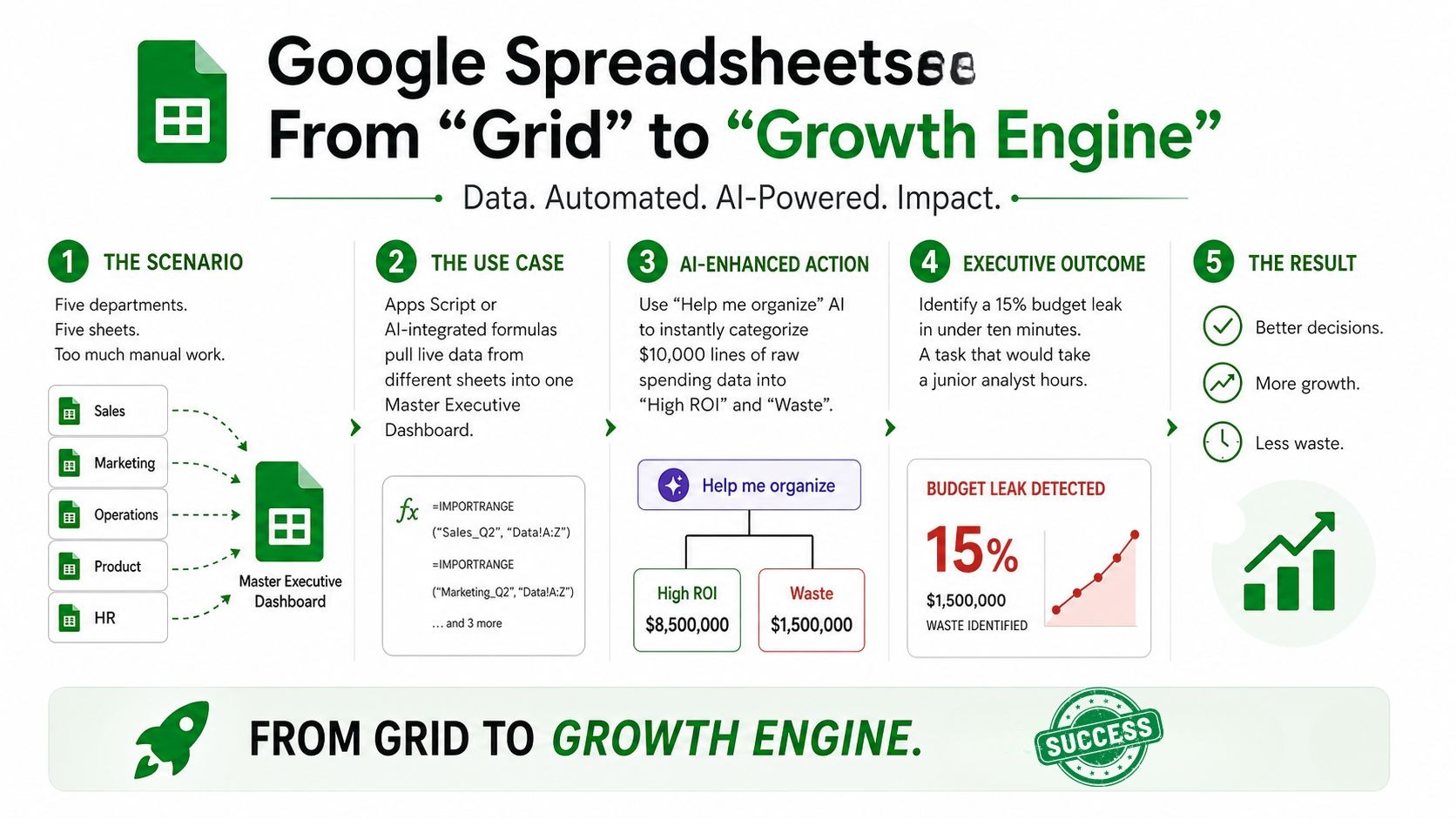
Like other professionals, modern data operators must also adapt to smart technology. Simply put, they must learn how to use software and hardware required for statistical optimization. Moreover, those who understand how to navigate cloud-based ecosystems and basic AI-assisted data tools become a strength of their company. They stand tall when it comes to managing crucial information with precision using productivity tools like MS Office 365.
Precision and Strategic Communication for Business Operations
Precision is everything in the digital entry world. Typos can systematically break the backbone of a company. This catastrophe remains no more threatening when communication goes on perfectly within and outside operational teams.
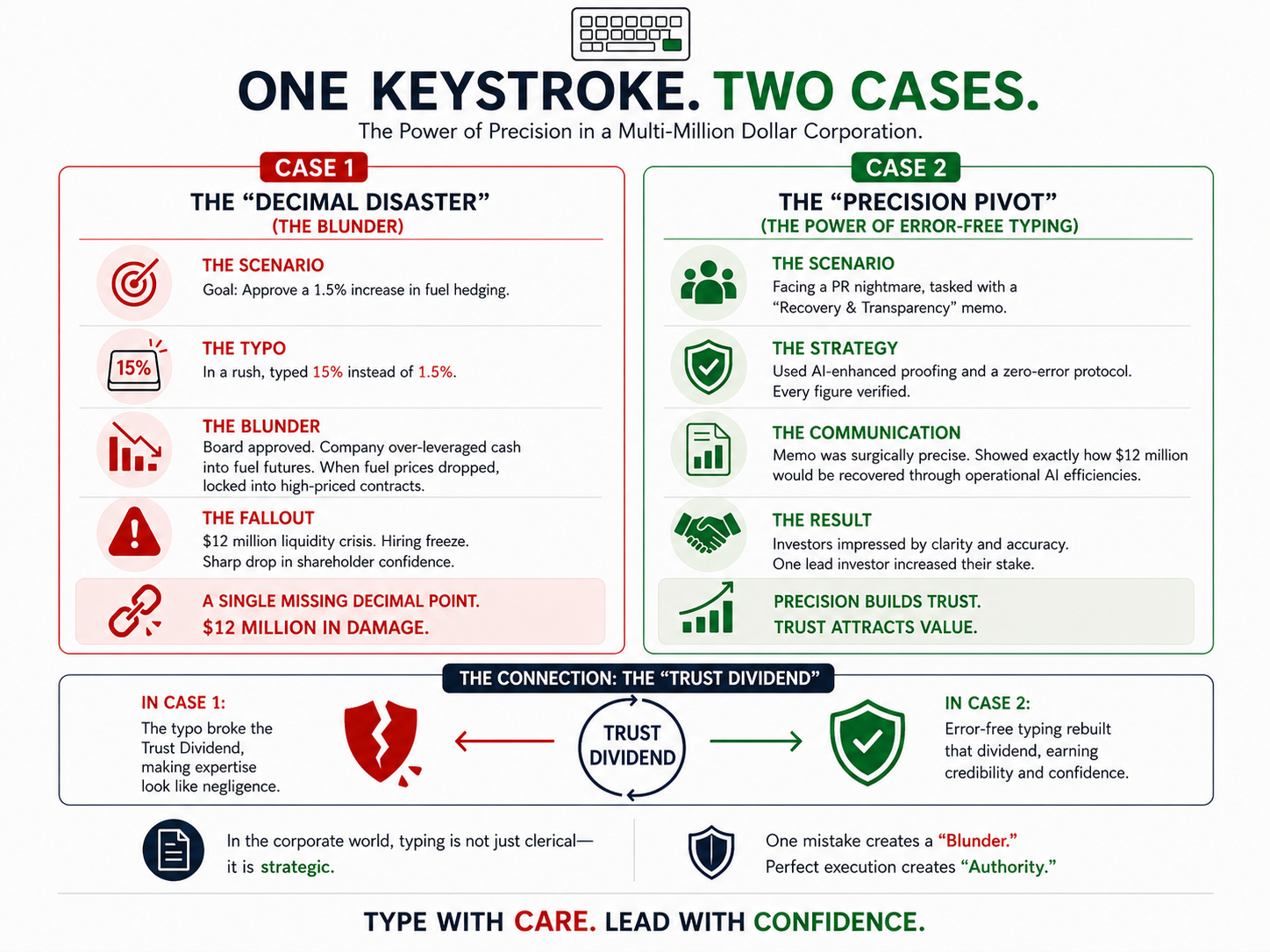
That’s why many top-tier BPM companies like Infosys, IBM, etc. prioritize hiring data entry operators with strong soft skills. Their stronghold on good communication helps them request, address, and resolve data-related queries seamlessly. This competency enables the entire team to work together while effectively managing data and learning professional traits.
High-Velocity Typing with Automation Awareness
The scope in the big data world is by far at the top of the world today. To fuel AI-driven mechanisms like automation and digitization, companies must deploy back-office staff with exceptional typing speeds. It typically scales between 30 and 40 words per minute using data entry shortcuts to improve their speed, which helps in quick processing.
These technology-based innovations need data in real time to create new trends every second. With swift data entry, the decayed data-driven trends can be avoided. It prevents massive losses in effort, time, and money. So, those who can identify offbeat data are highly valued because these professionals stand out in balancing speed while understanding data that feed automated workflows also.
Psychological Resilience for Focus & Patience Is Necessary
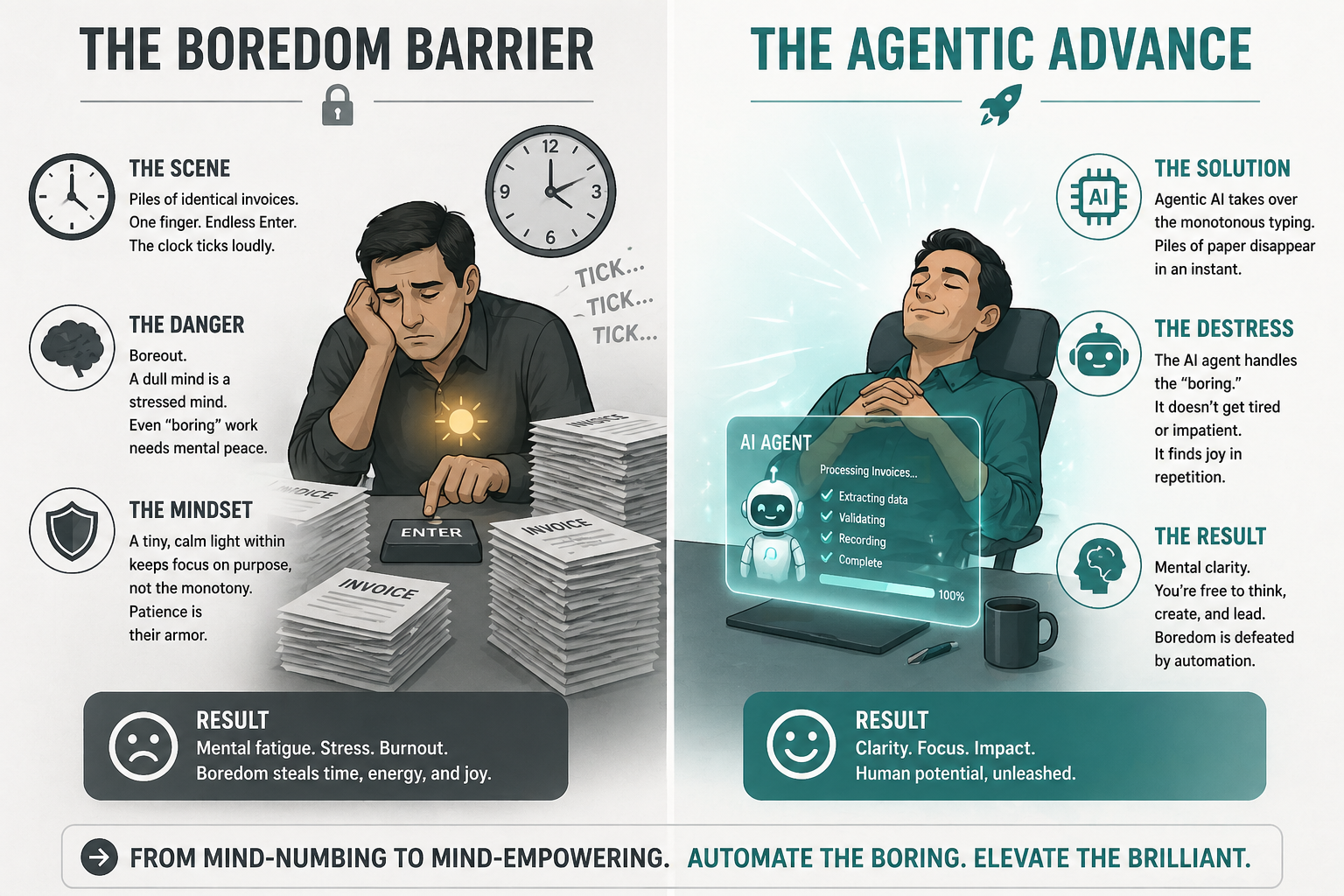
Though it seems effortless, data entry often involves highly repetitive tasks. It’s like marking attendance in the HRMS everyday, which indeed misses out on interest when you do it everyday twice or thrice. It leads to professional burnout or resentment. When the time is running out and deliveries are aligned, the mental pressure goes to its peak. This pressure of repetition and hurry can lead to boredom and disturbed focus, leading to typos, duplicate entries, discrepancies, and even high attrition rates.
For technically correct entries, one must be extremely focused and have patience. It is a technical necessity and the secret of successful data-entry clerks. They follow a disciplined mindset to handle repeated entries, which aligns quality consistently even if the pressure is intense.
Uncompromising Accuracy & Data Integrity
Speed loses its significance unless infallibility accompanies it. Data entry professionals or clerks are the frontiers who supply information for data science-driven processes like data mining (ETL process), advanced analytics or Power BI, market research, and machine learning models for AI development.
You cannot make groundbreaking strategies with flawed inputs. The analytical results will be compromised because garbage in is garbage out. In industries like healthcare and finance, a single wrong entry leads to fatal business intelligence. It may cost millions and lead to loss of reputation. So, data entry clerks must focus on accuracy, as it is an ultimate key to building professional authority and trustworthiness.
Conclusion
A data entry clerk or professional should be well-versed with shortcut keys and technical applications or software for data entry, OCR, and cleansing tools. Besides, he or she should know how to add values by leveraging cloud platforms or productivity tools. Having a sharp vision to detect errors, managerial skills, and good communication proves an edge in a career.
FAQs
Q: Can AI replace the role of a data entry clerk?
A: The heavy lifting work is now in the hands of AI and optical character recognition (OCR). But human clerks and professionals are essential for data validation, verification, and quality control. This is the foundation of a hybrid data entry approach, which ensures technology is used as a tool while data entry experts are more efficient.
Q: What is the average typing speed required for BPO data entry?
A: Most international BPOs require a minimum of 30-40 WPM (words per minute) with an accuracy rate of 98% or higher.
Q: How can I improve my focus during repetitive data tasks?
A: Using the Pomodoro technique can improve your focus, which is about time management. Simply focus on a single task for 25 minutes and then take a 5-minute break to re-attain freshness and boost productivity. Stay away from workspaces that are full of annoyance.
Q. What if that information has dozens of errors?
Certainly, the analytical result would be wrong. No research or data management company wants to grapple with inaccuracies. Besides reputation, there are some serious consequences that can be seen due to wrong conclusions upon deep research and analysis in medicine or any other industry. A wrong data entry can infest a report with wrong business intelligence. Therefore, data entry clerks should have a fast typing speed together with infallibility.


Post Comment
Your email address will not be published. Required fields are marked *